Psychedelic Therapy Tools & Resources
A free, curated collection of preparation guides, integration workbooks, harm reduction tools, and support resources for psychedelic-assisted healing.
Preparing for Your Experience
Thoughtful preparation is one of the most important factors in a safe, meaningful psychedelic experience. Research consistently shows that people who invest time in preparation — setting intentions, understanding what to expect, and arranging proper support — report more positive and transformative outcomes. These tools will help you prepare mentally, emotionally, and physically.
Preparation Guides by Substance
Each psychedelic substance has a unique pharmacological profile, duration, and experiential character. Understanding what to expect — including timeline, physical sensations, and common challenges — helps you meet the experience with openness rather than fear. Select a substance below for a quick-reference guide.

Psilocybin produces profound changes in perception, emotion, and thought. Often described as “heart-opening,” sessions frequently surface deep emotional material, memories, and insights. The experience has a natural ebb and flow — periods of intensity followed by gentler waves.
- What to expect: Visual distortions, emotional depth, time dilation, ego softening, heightened sensory awareness, possible nausea during onset
- Mental preparation: Practice surrender; release the need to control. Remind yourself that difficult moments pass. Set a clear, heartfelt intention.
- Physical preparation: Fast lightly 4–6 hours before. Stay well-hydrated. Avoid cannabis and alcohol for 24+ hours prior.
- Day-before: Rest well. Spend time in nature if possible. Review your intention. Confirm support is arranged.

LSD typically produces a long arc: gradual onset, a sustained peak of altered thinking and perception, and a gradual return. Because duration is long, fatigue and overstimulation can become challenges — planning rest, hydration, and a calm setting matters.
- What to expect: Time distortion, synesthesia, strong cognitive shifts, looping thoughts, and intense emotional processing.
- Mental preparation: Commit to staying with the experience; avoid fighting the timeline. Keep intentions simple and flexible.
- Physical preparation: Eat lightly beforehand, hydrate steadily, and avoid other substances. Plan for a full day without obligations.
- Day-before: Sleep well, simplify your schedule, and confirm a trusted sitter or guide if you are not in a clinical setting.

MDMA is often described as emotionally opening and prosocial, with reduced fear responses to difficult memories in therapeutic contexts. It still carries medical risks — heat, hydration, and contraindications must be taken seriously.
- What to expect: Elevated mood, empathy, sensory enhancement, jaw clenching, and possible fatigue or low mood in the days after.
- Mental preparation: Clarify boundaries for disclosure; pace emotional processing; plan integration after the acute window.
- Physical preparation: Manage temperature, sip water (not excessive), avoid alcohol, and avoid other serotonergic drugs.
- Day-before: Rest, eat normally, and confirm medication review with a clinician if you take SSRIs, MAOIs, or other psychiatric meds.

Ketamine’s effects depend strongly on route and dose — clinical infusions differ from other contexts. Dissociation, perceptual shifts, and nausea are common; a medical setting adds monitoring and support.
- What to expect: Dissociation, changes in body perception, emotional release, and variable nausea — especially during onset.
- Mental preparation: Practice “letting go” language; agree on signals with clinicians or a sitter; expect rapid shifts in state.
- Physical preparation: Follow clinic instructions on eating and hydration; arrange safe transport; avoid driving the same day.
- Day-before: Sleep well, reduce stressors, and review contraindications (e.g., uncontrolled hypertension, certain cardiac histories).
Free Resources
5 sourcesPsychedelic Preparation Workbook
Deep preparation means more than just reading about effects — it means turning inward. This workbook section offers structured exercises to help you clarify your intentions, understand your emotional landscape, and build the inner foundation for a meaningful experience. Work through these in the days or weeks before your session.
Intention Setting
An intention is different from a goal. It’s a quality you want to cultivate or a question you want to explore — not a demand for a specific outcome.
“What do I most need healing, clarity, or growth around right now? How would I describe that in one sentence?”
Emotional Inventory
Take stock of what emotions are alive in you right now — not to fix them, but to acknowledge them. Unacknowledged emotions often become amplified during a session.
“What emotions have I been avoiding or suppressing lately? What feels unresolved?”
Expectation vs. Intention
Expectations create resistance; intentions create direction. Work through where your expectations might be rigid, and gently convert them to open-ended intentions.
“What am I hoping will happen? How might I hold that hope loosely, without attachment to a specific outcome?”
Personal Reflection
Explore your relationship to the experience: your fears, your readiness, your history, and why now. Honest self-reflection reduces surprise during the session.
“What am I afraid might come up? What would I do with that? Am I prepared to meet myself honestly?”
Support Network Planning
Identify who will support you on the day, and who you’ll turn to for integration support in the days and weeks after. Connection is essential to integration.
“Who in my life knows about this experience? Who can I call if I need grounding before, during, or after? Do I have a therapist?”
The Fears Exercise
Write down every fear you have about the experience — no matter how irrational. Then reframe each one. Fear acknowledged becomes much less powerful once it’s seen.
“My fears about this experience are: ___. If the worst happened, what resources do I have? What would I need to hear?”
Letter to Yourself
Write a letter to yourself to read after the experience. Include your current state of mind, what you’re hoping for, and what you want to remember.
“Dear future self — right now I feel ___. I hope you found ___. Please remember ___.”
Core Values Clarification
Psychedelic experiences often illuminate the gap between how we live and what we value. Clarify your values in advance to recognize insights when they arise.
“My top 5 values are ___. In what areas of my life am I most aligned or most misaligned with these?”
Free Resources
6 sourcesSet & Setting Explainer
The concept of “set and setting” — coined by Timothy Leary and later refined by researchers like Bill Richards and Rick Doblin — is perhaps the most important principle in psychedelic medicine. Your mindset (set) and physical/social environment (setting) are powerful co-determinants of your experience. Understanding and consciously shaping both is essential preparation.
Set — Your Mindset
“Set” refers to your psychological state entering the experience: your current mood, intentions, beliefs, expectations, fears, and unresolved emotional material. Psychedelics act as amplifiers — they tend to deepen and intensify whatever psychological space you bring to them.
- Current emotional state and stress levels
- Clarity and sincerity of your intention
- Prior trauma or unresolved material
- Beliefs about yourself and the experience
- Level of preparation and self-knowledge
- Trust in the process and willingness to surrender
Setting — Your Environment
“Setting” refers to your physical and social surroundings: where you are, who you’re with, the sounds, sights, and overall safety of your environment. A comfortable, familiar, and supportive setting dramatically reduces the risk of anxiety and increases the likelihood of a meaningful experience.
- A safe, comfortable, and private space
- Trusted, supportive people present (or nearby)
- Comfortable temperature, lighting, and bedding
- Carefully curated music playlist
- No obligations or interruptions scheduled
- Nature access if possible (before/after)
Free Resources
4 sourcesDay of the Session
The day of your session deserves as much care as the weeks of preparation leading up to it. Keep the morning quiet and unhurried. Avoid screens, news, and stressful conversations. Ground yourself in your intention. The checklists, music, and videos below will help you move through the day with confidence and ease.
Session Day Checklist
Use this interactive checklist on the morning of your session. Check off each item as you go. The goal isn’t perfection — it’s intentional presence.
Each checkbox is a small act of self-care and readiness.
Before (Morning)
During — Environment
After — Coming Down
Curated Psychedelic Playlists
Music is one of the most powerful “active ingredients” in a psychedelic session. Research from Johns Hopkins and NYU shows that music significantly shapes the emotional arc of the experience. A well-chosen playlist provides structure, support, and beauty during the journey — guiding you through peaks and valleys. These are the most trusted, freely available playlists used by therapists and researchers worldwide.
Videos From Psychedelic Experts
Sometimes reading isn’t enough — watching an experienced guide or researcher explain these concepts can be deeply reassuring. These short videos cover the most important practical topics: how to prepare, what to do if things get challenging, breathing and grounding techniques, and integration basics.
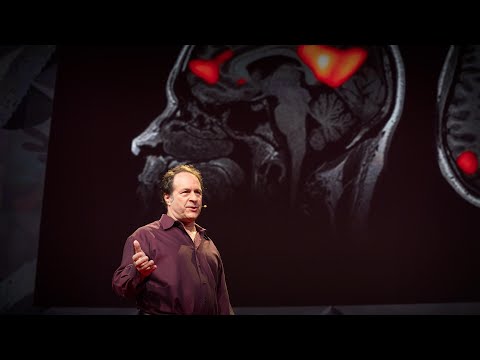 The future of psychedelic-assisted psychotherapy
TED Talk from researcher and psychedelic legend Rick Doblin.
Play video: How to Change Your Mind
The future of psychedelic-assisted psychotherapy
TED Talk from researcher and psychedelic legend Rick Doblin.
Play video: How to Change Your Mind
 How to Change Your Mind
Best-selling author Michael Pollan shares how psychedelics can literally change your mind.
Play video: Psychedelics for Treating Mental Disorders
How to Change Your Mind
Best-selling author Michael Pollan shares how psychedelics can literally change your mind.
Play video: Psychedelics for Treating Mental Disorders
 Psychedelics for Treating Mental Disorders
Dr. Matthew Johnson, Professor at Johns Hopkins, explains the science of psychedelics.
Play video: How psychedelics work, explained in under 6 minutes
Psychedelics for Treating Mental Disorders
Dr. Matthew Johnson, Professor at Johns Hopkins, explains the science of psychedelics.
Play video: How psychedelics work, explained in under 6 minutes
 How psychedelics work, explained in under 6 minutes
Dr. Matthew Johnson is here again, this time with Big Think, explaining how psychedelics work.
How psychedelics work, explained in under 6 minutes
Dr. Matthew Johnson is here again, this time with Big Think, explaining how psychedelics work.
Integration Tools
The most important work often happens after the experience — in the days, weeks, and months of integration. Integration is the process of taking the insights, feelings, and openings from your psychedelic experience and weaving them into your daily life. Without integration, even profound experiences rarely lead to lasting change. These tools will help you honor, process, and embody what arose.
Integration Workbook
Integration begins the moment you return to ordinary consciousness and continues for weeks afterward. These exercises are designed to help you process the emotional and cognitive material that surfaced during your experience, and to translate insights into meaningful, lasting change in your life.
Day 1 — First Reflection
Write freely without censoring. Don’t try to make sense of things yet — just capture impressions, images, emotions, and fragments.
"What images, feelings, or moments from the experience are most present for me right now? What felt most significant?"
The Central Insight
Often one theme or insight stands above the rest. Try to distill the core of what you were shown or what you understood.
"If the experience had one central message or gift for me, what was it? How would I say it in one sentence?"
Processing Difficult Material
If challenging content arose — old wounds, grief, fear — give it space here. Difficulty is often where the deepest healing lives.
"What difficult material came up? What does it want me to know or acknowledge? What would it feel like to fully allow it?"
Translating to Action
Insights without action remain ideas. What specific, concrete changes would honor what you learned?
"What would my life look like if I actually lived this insight? What is one small action I could take this week?"
Tracking Change
Over 30–90 days, notice how your perspective, relationships, habits, and wellbeing are shifting. Integration is cumulative.
"What has changed in how I see myself, others, or the world? What patterns am I noticing shifting?"
Gratitude & Closing
Acknowledge the experience with gratitude, regardless of how it felt. Difficult experiences often give the most.
"What am I grateful for from this experience — including the hard parts? What do I want to honor and carry forward?"
Free Resources
4 sourcesIntegration Program
The real work begins after the experience. Integration is where insights become change — through reflection, action, and consistency over time.
30-Day Integration Framework
A curated set of practices, prompts, and exercises designed to help you process your experience and translate it into meaningful, lasting shifts — at your own pace.
Day 1
First Reflection
Capture impressions while fresh. Free-write, draw, or voice-record without judgment.
Day 3
The Core Insight
Distill the central message of your experience into words. What did you most need to hear?
Day 7
Insight to Action
Identify one concrete way to embody an insight in your daily life this week.
Day 14
Tracking Change
What's shifting? In relationships, habits, how you see yourself and the world?
Day 21
Difficult Material
Revisit anything challenging that arose. Often the hardest parts hold the deepest medicine.
Day 30
30-Day Check-In
A full review of your integration journey and intention for the weeks ahead.
Free Resources
4 sourcesIntegration Meditation Library
Meditation and somatic practices are powerful integration tools — they help you stay connected to the body, process emotions that live below language, and maintain the quality of open awareness that psychedelics can reveal. These free guided audios are organized around the specific challenges and opportunities of integration.
Free Resources
4 sourcesTrip Insight Journal & Tracker
Keeping a journal after your experience is one of the most effective integration practices. This simple tool lets you record insights, track your mood over time, and capture integration goals — all stored locally in your browser. Return to it regularly in the days and weeks ahead.
Safety & Harm Reduction
Harm reduction is a compassionate, evidence-based approach that acknowledges that people will use psychedelic substances and focuses on minimizing risks rather than promoting abstinence. These resources are for anyone who wants to stay as safe as possible — whether preparing their first experience, supporting a friend, or navigating a difficult moment in the middle of a session.
Psychedelic Safety Guide
Safety in psychedelic use comes from knowledge, preparation, and honest self-assessment. These resources cover drug interactions, dosage, the safest possible contexts for use, testing your substances, and what to do in an emergency. Read them before — not during — your experience.
Free Resources
4 sourcesNavigating a Difficult Experience
Challenging moments — sometimes called "difficult trips" or "bad trips" — are a natural part of psychedelic experiences. They are not failures. In many cases, they are the most transformative parts of a journey. But they can be frightening without preparation. Knowing what to do before you're in a difficult moment makes all the difference. Print this page or save it offline.
Surrender, Don't Fight
The most reliable tool for difficult moments is surrender. Resistance amplifies intensity. Breathe deeply, lie down, and say internally: "I let go. I trust the process." Fighting a wave makes it worse; moving through it brings release.
Breathe
Return to the breath. Box breathing (inhale 4 counts → hold 4 → exhale 4 → hold 4) activates the parasympathetic nervous system and provides an anchor when the mind is spinning. Keep returning to the breath.
Change the Setting
Move to a different room. Go outside briefly. Change the music. Lie down instead of sitting. Sometimes a small environmental shift is enough to break a loop. Don't leave a safe environment entirely.
Reach Out
Contact your trip sitter or support person. Or call Fireside Project: 62-FIRESIDE (623-473-7433) — a free, confidential psychedelic peer support line staffed by trained volunteers 24/7.
Ground Yourself
Feel physical objects — press your hands into the floor, hold a smooth stone, smell something familiar. Count objects in the room. Use your senses as anchors. Remember: "This is temporary. It will pass. I am safe."
Remember: It Passes
No matter how intense it feels, the experience has a natural duration. It will end. This is temporary. Many people report that the moments just after a difficult peak bring the deepest peace and clarity of the whole experience.
Free Resources
4 sourcesTrip-Sitter Guide
A trip sitter is someone who remains sober and present to support someone during a psychedelic experience. Being a good trip sitter requires presence, trust, patience, and the wisdom to know when to act — and when to simply be.
Core Principles
Presence Over Intervention
The most powerful thing a sitter does is simply be there — calmly, without judgment, without needing to fix anything. Your calm presence is itself a source of safety.
Talk Less, Listen More
Follow their lead. If they want to talk, listen. If they want silence, hold the space. Avoid introducing your own interpretations. Ask: "What do you need right now?"
Physical Safety First
Ensure the environment is safe: no sharp objects unattended, no stairs without supervision, water accessible. You don't need to hover — just ensure they can't wander into danger.
Support Through Difficulty
If they're in distress, stay calm. Speak softly. Say: "You're safe. This is the medicine working. I'm right here." Gentle physical contact (hand, shoulder) can be grounding — ask first.
Know When to Get Help
Call emergency services if they risk hurting themselves or others, have taken unknown substances, or are having a medical emergency. Call Fireside for non-medical crises.
The Next Day
Check in the following day. A brief, warm conversation — not diving into analysis — helps them feel supported. Offer to help connect them with an integration therapist if needed.